Source Agricultural Turbocharger Cartridge for Excavators, Toyota, and Diesel Engines
Compare 30 Agricultural Turbocharger Cartridge options from verified suppliers in Guangdong. This catalog features models like Garrett and CT12 with CE certification, supporting applications in excavators and Toyota diesel engines with delivery times of 3-7 working days.
Key considerations
Products List


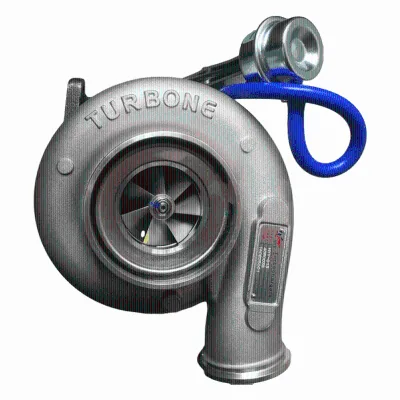
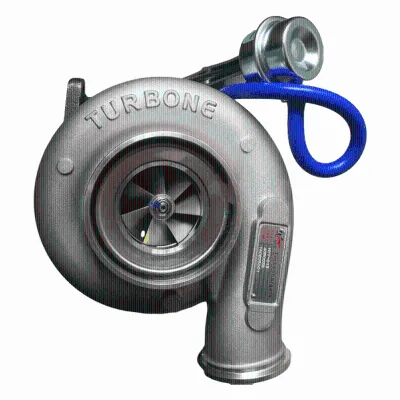
Turbocharger cartridges GT22 4.12 TCE E3 733676-0003 733676-3 733676-5003S
$52.00 - $58.00
MOQ: 1 Pieces




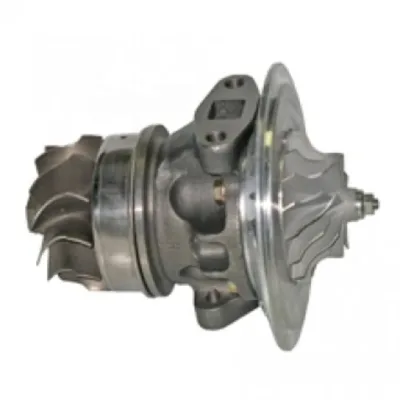
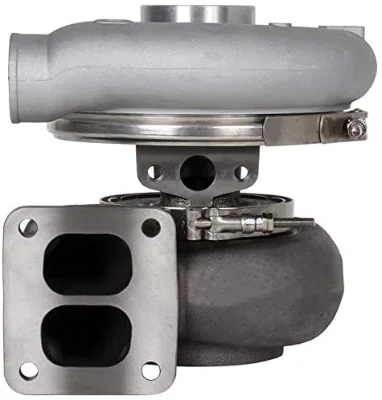
High Quality Cat3306 Diesel Engine Parts Turbocharger Cartridge 4n9544
$100.00 - $118.00
MOQ: 1 Pieces

Comprehensive Sourcing Guide
Strategic Sourcing Guide for Agricultural Turbocharger Cartridges
Understanding Technical Specifications and Core Attributes
When sourcing agricultural turbocharger cartridges, buyers must first distinguish between the specific engineering requirements of heavy machinery and those of automotive or light industrial applications. The market data indicates a diverse range of technical configurations, primarily driven by the engine model and the specific type of turbocharging system required. For agricultural equipment, the distinction between axialflow and centrifugal electric turbocharger types is critical, as these dictate airflow dynamics and response characteristics under load.
The observed product landscape reveals that agricultural applications often utilize specific engine models, such as the 4jg2t, which necessitates a precise match in turbine and compressor wheel geometry. Buyers should verify the "Type" classification carefully; while some listings describe an "ETS Exhaust-Gas-Turbo-Super-Charger" or "Mechanical Turbocharger System," the agricultural sector frequently relies on robust mechanical systems capable of sustained high-torque output. The "Part Number" serves as the primary identifier for compatibility. For instance, specific agricultural units may require part numbers like 129935-18010 or 8971760801, while others might align with Toyota-specific components like 17201-64050 or 24100-1610C.
Material composition is another non-negotiable specification. The "Body Material" is frequently cited as Iron, providing the necessary durability for high-vibration environments typical in farming. However, internal components may utilize specialized alloys like K18, which offers enhanced resistance to thermal fatigue. The physical dimensions of the cartridge, often summarized in package sizes such as 32x28x38 or 20.5x20x20, must be cross-referenced with the engine bay constraints of the specific tractor or harvester. Furthermore, the "Fuel" type is predominantly Diesel Fuel for this sector, meaning the turbocharger must be designed to handle the specific combustion characteristics and exhaust gas temperatures associated with diesel engines.
Compliance and Certification Verification
In the B2B procurement of agricultural machinery parts, certification acts as a proxy for regulatory compliance and manufacturing rigor. The supply chain for these components is heavily influenced by the presence of recognized certifications. Buyers must scrutinize listings for a comprehensive suite of marks, including CE, CCC, COP, ISOCE, E-Mark, RoHS, and TSETS. The specific component focus within these certifications is equally important; some certifications explicitly cover the "Turbine" component, while others may cover the "Compressor" or the entire assembly.
The "Quality" attribute is often linked directly to these certifications. A claim of "High-Quality" or "good quality" is subjective unless backed by the "Machinery Test Report" provided by the supplier. This report is a vital document that validates the performance of the turbocharger under simulated operating conditions. For agricultural buyers, the presence of a "100% Tested" status is a strong indicator of factory-level quality control. Additionally, the "Warranty" period, commonly observed as 1 year, serves as a contractual guarantee of the product's reliability.
It is essential to note that while certifications like CE and E-Mark are prevalent, they do not automatically guarantee suitability for every agricultural application. Buyers must verify that the specific certification scope covers the intended engine model and operating environment. The "Standard" designation, often listed as "1PCS" or "20.52020," refers to the packaging or unit standard rather than an engineering standard, so buyers should look for explicit references to ISO or other international engineering standards in the technical documentation rather than relying solely on the "prod_standard" field which may simply denote the quantity per package.
Cost Drivers and Pricing Dynamics
The pricing structure for agricultural turbocharger cartridges is influenced by a complex interplay of material costs, certification fees, and supply chain logistics. The observed price range in the market spans from $1 to $204.55 USD, a variance that reflects differences in brand reputation, material quality, and the complexity of the turbo model. Lower-priced items may correspond to generic or "Neutral" packing options, while higher-priced units often feature branded components like "Garrett" and include comprehensive testing documentation.
The "MOQ" (Minimum Order Quantity) is a significant cost driver. The data shows an MOQ range of 1 to 10 pieces. For small-scale agricultural operations or maintenance departments, an MOQ of 1 PC/Set is highly favorable, allowing for single-unit procurement without inventory burden. However, larger fleet operators may find that bulk purchasing reduces the per-unit cost, provided the supplier can accommodate the volume without compromising the "Delivery Time." The "Delivery Time" of 3-7 working days suggests a relatively agile supply chain, which can reduce holding costs for buyers who need immediate replacements for critical machinery.
Shipping costs also play a role in the total cost of ownership. The availability of shipping via major carriers like DHL, UPS, and FedEx ensures reliability but adds to the final price. Buyers should evaluate whether the "Customization" available for the product packaging or the unit itself justifies the potential price premium. For instance, "Customized" packing might be necessary for specialized logistics, whereas "Carton" or "Neutral" packing is sufficient for standard distribution. The "Payment" terms, typically T/T (Telegraphic Transfer), are standard but should be negotiated to align with the buyer's cash flow requirements, especially when dealing with larger orders.
Typical Applications and Engine Compatibility
The agricultural sector relies heavily on specific engine architectures, and the turbocharger cartridge must be an exact match to ensure optimal performance. The "Application" field in product listings often specifies the vehicle or machinery type, such as "Excavator" or "Toyota." While excavators are distinct from tractors, the underlying diesel engine technology often shares commonalities, making cross-compatibility a frequent consideration. However, buyers must be cautious; a cartridge designed for a Toyota engine, such as those with part numbers 17201-64050 or 24100-1610C, may not fit a generic agricultural tractor without significant modification.
The "prod_model" field provides the specific model identifier, such as H1E, CT12, RHC6, GT22, GT2559S, or TV8112. These models correspond to specific engine families and operating parameters. For example, the GT22 and GT2559S models are often associated with high-performance diesel engines used in heavy-duty agricultural machinery. The "ETS Type" (Runoff) and "Electric Turbocharger Type" (Axialflow or Centrifugal) further refine the application scope. A centrifugal type might be preferred for high-speed applications, while an axialflow type could be better suited for specific airflow requirements in large agricultural engines.
Buyers should prioritize matching the "Part Number" exactly to the original equipment manufacturer (OEM) specifications. The presence of multiple part numbers in the market, such as 129935-18010 and 8971760801, indicates a fragmented aftermarket where cross-referencing is essential. Misidentification can lead to catastrophic engine failure, making it imperative to verify the engine model (e.g., 4jg2t) against the turbocharger specifications before purchase. The "Place of Origin" being Guangdong, China, is a common hub for these components, but the specific engine compatibility remains the primary determinant of success.
Supplier Evaluation and Quality Assurance
Evaluating a supplier for agricultural turbocharger cartridges requires a focus on their ability to provide verifiable quality data and consistent product standards. The "Quality" attribute, often described as "High-Quality" or "good quality," is insufficient on its own. Buyers must demand evidence in the form of a "Machinery Test Report" and confirmation that the product is "100% Tested." These documents provide the necessary assurance that the turbocharger has undergone rigorous stress testing and performance validation.
The "Condition" of the product is another critical factor. The market data consistently lists products as "New," which is the expected standard for replacement parts. However, buyers should verify that "New" implies brand-new, not refurbished, unless explicitly stated otherwise. The "Brand" attribute, such as "Garrett," can serve as a trust signal, indicating that the component meets the original manufacturer's specifications. Conversely, generic or unbranded items require more rigorous vetting of the supplier's quality control processes.
Supplier reliability is also gauged by their "Customization" capabilities and "prod_packing" options. The ability to provide "Neutral or as Your Requirements" packing suggests a flexible supplier capable of meeting specific logistical needs. The "Standard" of "1PCS" or "2kg" indicates the unit of measure, but buyers should ensure that the supplier's internal standards align with international expectations for durability and performance. The "Warranty" of 1 year is a standard offering, but the terms of this warranty, including coverage for defects and return policies, should be clearly understood before committing to a purchase.
Long-Term Procurement and Maintenance Considerations
Sourcing agricultural turbocharger cartridges is not merely a transactional event but a strategic decision that impacts long-term operational efficiency. The "Delivery Time" of 3-7 working days is a key metric for supply chain resilience. In the agricultural sector, downtime can be costly, so a reliable lead time ensures that machinery can be returned to service quickly. Buyers should consider the "Shipping" options available, such as DHL, UPS, and FedEx, to ensure that the parts arrive in optimal condition and within the required timeframe.
The "Weight" of the component, observed at 15kg for certain models, is a factor in logistics planning and handling. Heavier components may require specialized equipment for installation and transport, which should be factored into the procurement process. The "Material" composition, such as Iron or K18, dictates the lifespan and maintenance requirements of the turbocharger. Components made from high-grade materials generally offer longer service lives, reducing the frequency of replacements and the associated downtime.
Buyers should also consider the "Fuel" type compatibility. Since the vast majority of agricultural machinery runs on Diesel Fuel, the turbocharger must be designed to withstand the specific thermal and chemical properties of diesel exhaust. The "Type" of turbocharger, whether Mechanical or Electric, also influences maintenance schedules. Mechanical systems may require more frequent inspections of the turbine and compressor wheels, while electric systems might have different maintenance needs related to their control systems.
Finally, the "MOQ" of 1 PC/Set allows for flexible procurement strategies. Buyers can maintain a small inventory of critical spare parts without incurring excessive holding costs. This flexibility is particularly valuable for agricultural operations that face seasonal demand fluctuations. By maintaining a relationship with a supplier who offers low MOQs and reliable delivery times, buyers can ensure a steady supply of high-quality turbocharger cartridges, minimizing the risk of production interruptions and maximizing the longevity of their agricultural equipment.
Comparative Analysis of Key Product Attributes
To facilitate a clearer understanding of the market offerings, the following table summarizes the key attributes observed in the supply chain for agricultural turbocharger cartridges. This comparison highlights the variability in specifications, certifications, and logistical terms that buyers must navigate.
| Attribute Category | Observed Variations | Key Verification Points for Buyers |
|---|---|---|
| Engine Model | 4jg2t, Toyota specific, Generic | Match exact OEM engine model; verify compatibility charts. |
| Part Number | 129935-18010, 17201-64050, 24100-1610C | Cross-reference with existing machinery serial numbers. |
| Certifications | CE, CCC, ISOCE, E-Mark, RoHS, TSETS | Confirm specific component coverage (Turbine vs. Compressor). |
| Material | Iron, K18 | Assess thermal resistance and durability for diesel engines. |
| MOQ | 1 PC, 10 pieces | Align with inventory strategy and cash flow capabilities. |
| Delivery Time | 3-7 Working Days | Plan for potential delays during peak agricultural seasons. |
| Warranty | 1 year | Review terms for defect coverage and return procedures. |
| Testing | Machinery Test Report, 100% Tested | Request copies of test reports before finalizing orders. |
| Packaging | Carton, Neutral, Customized | Ensure packaging protects against damage during transit. |
| Shipping | DHL, UPS, FedEx | Evaluate cost and speed based on urgency of need. |
This structured approach to evaluating product attributes ensures that buyers can make informed decisions based on verified data rather than marketing claims. By focusing on these specific, observable characteristics, agricultural procurement professionals can secure reliable, high-performance turbocharger cartridges that meet the rigorous demands of modern farming operations.
FAQs
What certifications are required for agricultural turbocharger cartridges?
Products typically carry CE, CCC, COP, ISOCE, E-Mark, RoHS, and TSETS certifications. Buyers must verify if the certification scope covers the specific turbine or compressor component needed for their engine.
Which engine models are compatible with these turbocharger cartridges?
Common compatible models include the 4jg2t, H1E, CT12, RHC6, GT22, GT2559S, and TV8112. Specific part numbers like 129935-18010 or 17201-64050 must be matched to the original equipment specifications.
Can I order a single unit with a minimum order quantity of one?
Yes, many suppliers offer an MOQ of 1 PCS/Set for single item purchases. This allows small operations to procure replacements without maintaining large inventory levels of spare parts.
How long does delivery take for these turbocharger components?
The standard delivery time is 3-7 working days from the place of origin in Guangdong. This lead time supports quick maintenance cycles for critical agricultural machinery requiring immediate replacement.
What materials are used to construct the turbocharger body?
The body material is frequently cited as Iron to ensure durability in high-vibration environments. Internal components may utilize specialized alloys like K18 for enhanced resistance to thermal fatigue.
Are customized packaging options available for these products?
Yes, suppliers provide neutral or customized packing options to meet specific logistical requirements. Standard packaging often uses cartons, but custom solutions are available for specialized distribution needs.
What warranty period is typically provided for these new units?
A standard warranty of 1 year is commonly offered for new turbocharger cartridges. This warranty serves as a contractual guarantee of reliability and covers potential defects in the product.